

Baby Essentials You Actually Need (And What You Can Skip)
You could fill an entire room with “baby essentials” and still feel unprepared. If you’re expecting your first baby (or parenting a newborn for the first time), the sheer volume of advice and products can be overwhelming.
The good news: most babies need far less than the internet would have you believe. With a calm plan and a few well-chosen newborn essentials, you can feel confident without overspending — and without cluttering the spaces that are meant to support rest, bonding and everyday life.
In this guide, you’ll find a practical newborn shopping list you can tailor to your family, plus what can wait, what’s worth buying second-hand, and a downloadable newborn checklist to keep things simple. Think of it as your steady, no-pressure first baby checklist — built around quality over quantity, and the kind of organised, timeless home that makes new parent life feel that little bit easier.
1) Why buying fewer, high-quality essentials often works best
When you’re building your newborn essentials, it helps to start with a mindset shift: you’re not trying to buy a perfect life, you’re setting up a calm system. The best baby must-haves are the ones that get used every day, fit your space, and make care routines smoother — not the ones that look impressive on a big newborn shopping list.
Buying fewer items (but choosing them well) tends to work better because:
- Babies grow fast. Many baby products have a short “useful window”, so it’s sensible to start with the basics and add as needed.
- Your routine will reveal what you actually need. A product that’s essential for one family might gather dust in another.
- Less clutter = less friction. Calm, organised family spaces make it easier to find what you need at 3am — and easier to keep your home feeling like yours.
- Quality can save money long-term. A few durable items (especially anything used daily) often outperform a cupboard full of “just in case” purchases.
Sparrow & Seed approach — Start with core new parent essentials, set up simple storage (a couple of labelled baskets and a small changing station), then let your baby guide the rest. A calm home is a practical tool, not a design goal.
2) Sleep essentials
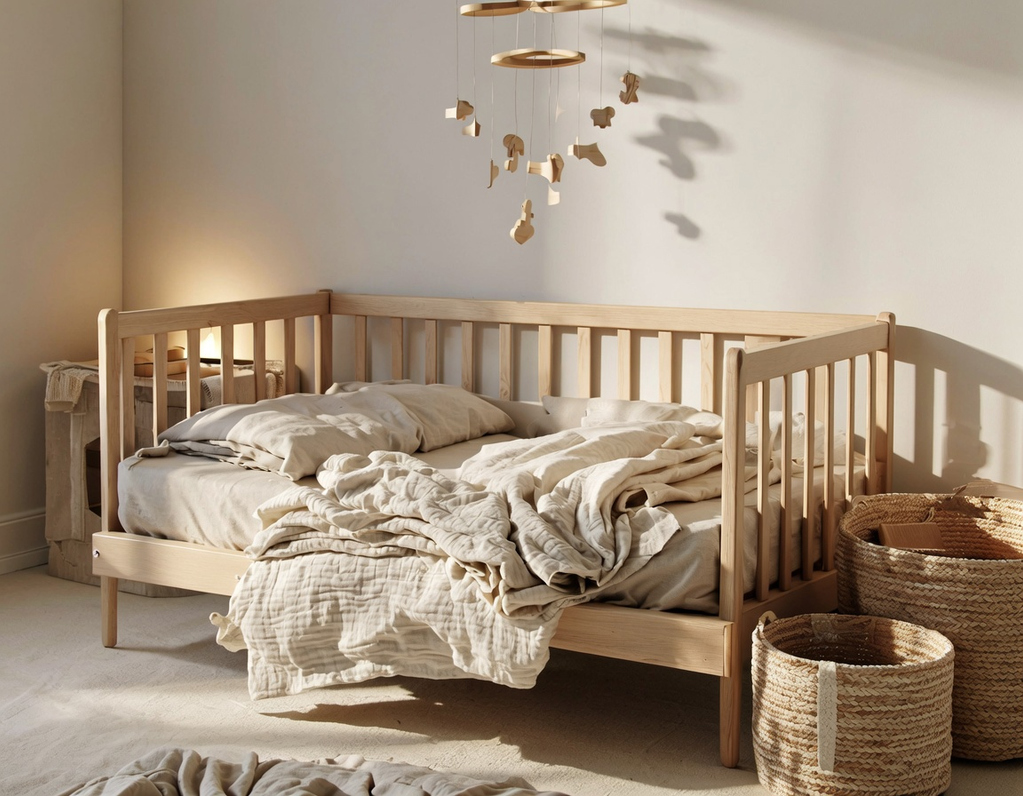
Newborn sleep is famously unpredictable — so rather than chasing a perfect set-up, focus on a safe, simple space and a few items that make night changes and soothing easier. For most families, the true baby essentials for sleep are less about gadgets and more about consistency and comfort.
The essentials for safe sleep (start here)
- A safe sleep space that meets current UK safety guidance (crib, cot, Moses basket or bedside crib).
- A firm, well-fitting mattress designed for that sleep space.
- 2–4 fitted sheets (enough for quick changes without midnight laundry pressure).
- 2–3 sleep sacks (or suitable swaddles if you choose, used safely and only for the appropriate stage).
- Room thermometer or a simple way to judge temperature (helpful, not fancy).
Helpful (but optional) extras
- Waterproof mattress protector(s) — ideal for inevitable leaks.
- Low, warm night light — keeps feeds and nappy changes calm and sleepy.
- White noise — some babies love it; others don’t. Easy to try later.
What you can usually skip early on: elaborate sleep positioners, piles of decorative bedding, and anything that complicates the cot. Simple is not “less than” — it’s often the safest and most restful choice.
Organisation tip — Keep a small bedtime basket near your sleep space with nappies, wipes, a spare sleepsuit and a muslin. This kind of timeless nursery organisation reduces rummaging and helps nights feel calmer.
3) Feeding essentials for breast and bottle feeding
Feeding can look different week to week — and sometimes day to day. The most reassuring approach is to build a flexible set of newborn essentials that supports both breast and bottle feeding without assuming you’ll need every single accessory. Your baby’s needs, your body, and your lifestyle all matter.
If you’re breastfeeding (or planning to)
- 2–4 nursing bras or supportive, comfortable bras.
- Breast pads (washable or disposable).
- A few muslins for wind, spills and quick clean-ups.
- Nipple cream (simple, fragrance-free).
- Water bottle for you, plus easy snacks nearby.
Useful if needed (not mandatory from day one)
- Breast pump — many families prefer to wait until feeding is established or a need becomes clear.
- Milk storage bags/containers — handy if expressing, but not a default baby must-have for everyone.
- Nursing pillow — can be supportive, but regular cushions work well too.
If you’re bottle feeding (or want the option)
- 6–8 bottles (a modest starting set).
- A few slow-flow teats suitable for newborns.
- bottle brush and a small washing-up set dedicated to baby products if you like.
- formula prep and storage system that suits your routine (keep it simple and hygienic).
Often optional
- Bottle warmer — many babies happily take milk at room temperature; you can add later if needed.
- Steriliser gadgets — some families love an all-in-one unit; others prefer a straightforward method. Choose what fits your space and habits.
If you’re creating a newborn shopping list, consider writing “feeding basics + one flexible option” rather than stocking every possible device. The aim is to feel prepared, not pressured.
Changing bag organisation tip — Keep a small feeding pouch ready to grab (muslin, spare bib, dummy if using, and a mini hand sanitiser). Calm systems are some of the most valuable new parent essentials.
4) Nappy changing essentials
Changing nappies is one of the most frequent newborn routines, so this is a place where thoughtful essentials genuinely make life easier. You don’t need a dedicated changing room — you just need a reliable set-up and a small amount of storage that keeps things within reach.
Your nappy changing newborn essentials
- A changing mat (wipe-clean is practical).
- Nappies — start small; sizes can change quickly.
- Wipes or reusable cloths with warm water (many parents use a mix).
- A nappy cream/barrier cream (simple is best).
- A nappy bin or wet bag system that works for you (not necessarily the most expensive option).
- A few muslins for surprise clean-ups.
Set-up suggestion for a calm space
Use two storage baskets or small caddies:
- Daily basket — nappies, wipes, cream, nappy bags, spare vest.
- Backup basket — refills and the next size up.
This kind of timeless nursery organisation keeps surfaces clear while still feeling prepared — and it makes your newborn checklist much easier to maintain.
5) Clothing basics for the first few months
Baby clothing is one of the easiest categories to overbuy. Newborns need comfort, warmth, and easy changes — not endless outfits. If you’re building a first baby checklist, aim for a small rotation that covers laundry days and growth spurts.
A practical starter set (adjust for season and laundry routine)
- 6–10 vests/bodysuits (short or long sleeve depending on weather).
- 6–10 sleepsuits with easy access for nappy changes.
- 2–3 cardigans or jumpers for layering (simple, soft).
- 2 hats (one lighter, one warmer if needed).
- 4–6 pairs of socks (easy to lose; you’ll use them).
- A pram suit or warm outer layer if baby is born in colder months (often better than bulky coats in car seats).
Useful versus can-wait examples
- Useful now — zip sleepsuits, simple layers, soft hats, extra muslins.
- Can wait — structured “outfits”, shoes, lots of special-occasion clothes, or anything fiddly that slows down changes.
Choosing fewer, better-quality pieces often means fabrics last longer, wash well, and can be passed on — which supports both simplicity and quality over quantity.
6) Bath time essentials
Bath time doesn’t have to be daily, and it doesn’t need a cupboard full of products. For most babies, gentle cleansing and warmth are the priorities — especially in the early weeks when skin can be sensitive.
Bath time baby essentials
- A baby bath or bath support (or a safe alternative that suits your home).
- 2 hooded towels or soft baby towels.
- Gentle, fragrance-free cleanser (optional; warm water alone is often enough early on).
- A soft cloth or reusable wipes for quick washes.
Skip for now: big multi-step skincare routines and heavily scented products. If you do use lotions, choose simple and patch-test first.
7) Travel essentials
Travel essentials are really about safe transport and having a few “out and about” systems that reduce stress. A sensible newborn shopping list for travel prioritises safety first, then organisation second.
Core travel newborn essentials
- A car seat that fits your car and is installed correctly (even if you don’t drive often, it’s usually needed for hospital discharge and taxis).
- A pram/pushchair that suits your terrain and storage space — or a baby carrier if that fits your lifestyle better (many parents use both, but you can start with one).
- A changing bag that’s comfortable to carry and easy to organise.
What to keep in your changing bag (simple and effective)
- 3–5 nappies
- Travel pack of wipes
- Foldable changing mat
- 2 muslins
- 1–2 spare outfits (vest + sleepsuit)
- Nappy bags/wet bag
- Hand sanitiser
- Milk/formula supplies if needed
This is where changing bag organisation really pays off: use small pouches (nappies, feeding, spare clothes) so you can find what you need quickly without tipping everything out in public.
8) Health and safety items worth having
Health and safety purchases can easily slide into anxious overbuying, especially for first-time parents. A calm, practical approach is to keep a small kit for common needs, and know what you’ll do if you’re unsure (call 111, your midwife, health visitor, or GP).
Worth having in a simple baby health kit
- Digital thermometer (reliable and easy to use).
- Baby nail file or baby nail clippers (tiny nails are sharp).
- Saline drops (often helpful for stuffy noses).
- A nasal aspirator (optional, but many parents find it useful).
- Simple first aid basics like sterile wipes and plasters for parents (not baby-specific, but handy).
Keep it calm — A small, organised kit in a labelled basket is more useful than a drawer full of rarely-used baby products. Your goal is preparedness, not perfection.
9) Baby products many parents buy but rarely use
Every family is different — but there are some baby products that often end up taking space rather than supporting day-to-day care. If your newborn shopping list is feeling too long, these are common “pause and revisit” items.
- Too many bottles/teats upfront — it’s fine to start small until you know what your baby prefers.
- Fancy outfit bundles — babies live in sleepsuits, vests and layers.
- Shoe-sized “newborn shoes” — adorable, but rarely practical.
- Wipe warmers and bottle-making machines — can be helpful for some, but not essential baby must-haves for most.
- Large quantities of one nappy brand — babies’ skin and fit vary; buy small packs first.
- Multiple swaddles, sleep aids and loungers — choose one approach, then reassess after a couple of weeks.
None of this is about judgement. It’s about freeing up time, money and space for the true new parent essentials: rest, support, and a home set-up that helps you move through your day more smoothly.
10) Tips for buying second-hand safely
Buying second-hand is a brilliant way to build your baby essentials while keeping quality high and waste low — especially for items used for a short time. A few safety checks help you shop confidently and keep your newborn essentials reliable.
Second-hand buying checklist
- Check recalls and safety standards for the exact model (especially for travel items).
- Avoid second-hand car seats unless you fully trust the history (you need to know it’s never been in an accident and hasn’t expired).
- Buy a new mattress for a cot/crib if possible, even if the frame is second-hand.
- Inspect for damage — cracks, missing parts, unstable legs, frayed straps or broken buckles.
- Deep clean thoroughly using baby-safe methods, and wash soft items on an appropriate cycle.
- Prioritise quality brands and timeless design — they’re often sturdier and easier to pass on again.
Second-hand shopping also pairs beautifully with an organised approach: once you’ve chosen an item, decide where it lives (a labelled shelf, a basket, or a dedicated drawer) so it supports calm routines rather than becoming “stuff”.
11) Downloadable newborn essentials checklist
If you’d like a simple, printable newborn checklist to keep your plans clear, use the list below as your first baby checklist. It’s designed to be a calm, practical starting point — a newborn shopping list you can tailor to your space, your season and your feeding plan.
Printable tip — Copy this section into your notes app, tick it off as you go, or print it for the fridge. Printable checklists work best when they’re short, realistic, and easy to update.
Category Newborn essentials (start here) Nice to have / can wait
Sleep Safe sleep space, firm mattress, fitted Night light, white noise, spare mattress
sheets, sleep sacks, thermometer protector
Feeding Muslins, nursing basics or a small bottle Pump, warmer, extra bottles
set, bottle brush, simple prep system until preferences are clear
Nappy changing Changing mat, nappies, wipes/cloths, Dedicated changing table,
barrier cream, nappy bags/wet bag bulk boxes of one brand
Clothing Vests, sleepsuits, hats, socks, Shoes, lots of outfits,
simple layers special-occasion sets
Bath Baby bath/support, towels, gentle Multiple bath products,
cleanser (optional), soft cloth scented skincare routines
Travel Car seat, pram or carrier, Extra pram accessories before
organised changing bag you know you’ll use them
Health & safety Thermometer, nail file/clippers, Large “just in case” medicine
saline drops kits (buy as needed)
If you’d prefer a tick-box version, you can turn the table into a personal newborn checklist by rewriting it as checkboxes in your notes or printing and marking it up. A good checklist is meant to support you — not add pressure.
Conclusion: choose calm, not clutter
When you’re preparing for a baby, it’s easy to mistake more stuff for more readiness. But the most useful baby essentials are usually the simplest: safe sleep, a workable feeding set-up, a tidy nappy station, comfortable clothing basics, and a few reliable health items. Everything else can be decided slowly, once you’ve met your baby and learned your rhythm.
If you take one thing from this guide, let it be this: your home doesn’t need to look like a warehouse of baby products to be “ready”. Focus on the newborn essentials that support your baby’s real needs — warmth, safety, comfort and care — and build calm, organised systems (baskets, pouches, and printable checklists) that make daily life feel steadier. That’s thoughtful parenting in action, and it’s more than enough.