
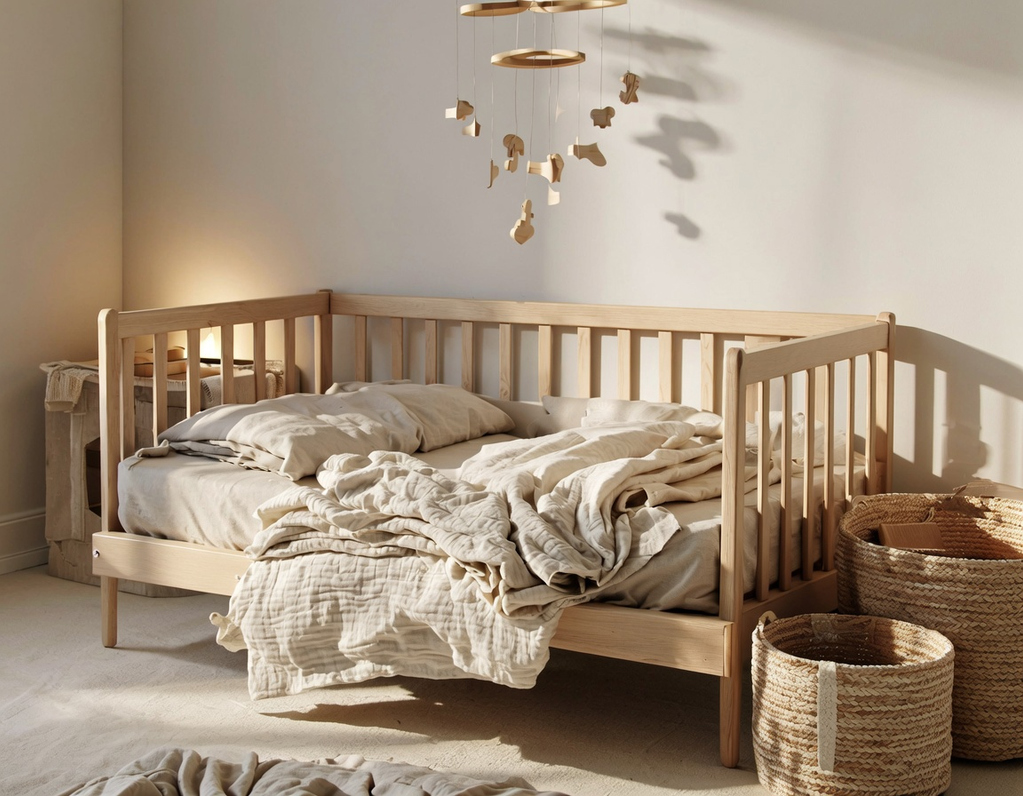
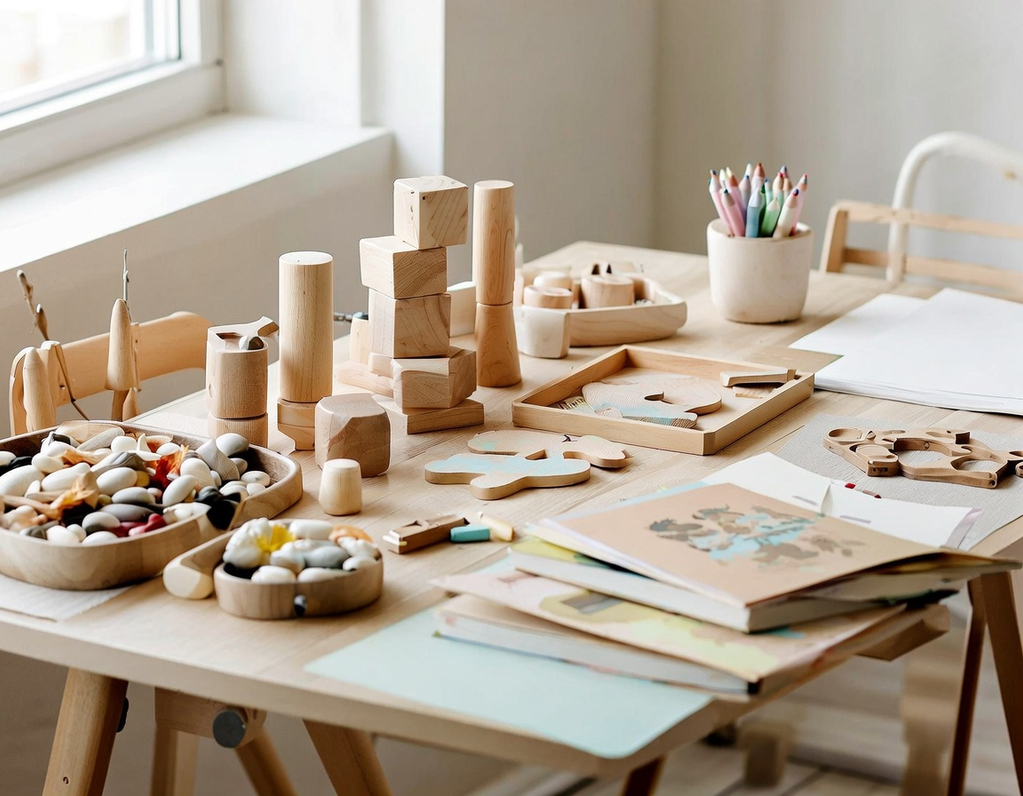

Baby Organisation Ideas: How to Create a Calm and Functional Nursery
You don’t need a picture-perfect nursery to feel ready. What most parents actually need is a space that supports tired mornings, quick nappy changes, and those gentle moments when you’re trying to settle a baby who simply won’t be put down.
Thoughtful nursery organisation is less about “having it all” and more about removing tiny points of friction from your day. In this guide, you’ll find calm, practical baby organisation ideas—simple systems for clothes, changing supplies, toys and books—plus realistic nursery storage solutions for small spaces and shared bedrooms.
Why an organised nursery can reduce stress (without becoming another project)
An organised nursery doesn’t magically make nights longer or naps more predictable—but it can make the in-between moments feel steadier. When the essentials are easy to reach, you spend less mental energy searching, re-stocking, and second-guessing where things should live. That matters when you’re running on broken sleep.
Good baby room organisation also supports calm parenting. A clear surface, a simple routine for refilling supplies, and a place for everything can help your nervous system soften. It’s a quiet cue that you’re safe, you’re prepared enough, and you can handle the next thing.
Gentle reminder — Organisation is there to serve you, not the other way around. Aim for “easy to maintain”, not “perfect”.
Plan nursery storage before the baby arrives
If you can, plan your nursery storage around your daily rhythm. Instead of starting with what looks nice, start with what you’ll do most often: change nappies, dress the baby, settle them, and tidy up one-handed.
Try a quick, practical mapping exercise:
- Stand in the room (or by the cot in a shared bedroom) and picture a full nappy change at 3am.
- Notice what you need within arm’s reach: nappies, wipes, nappy bags, barrier cream, a spare vest, a muslin, hand sanitiser, and a change of sheet (if you keep one nearby).
- Decide where those items will live—ideally in one or two “zones”, rather than scattered across the room.
This is where nursery storage solutions like a compact set of nursery drawers, a lidded basket, and a small caddy can genuinely simplify life. The goal is to reduce steps and decision fatigue, not to buy lots of containers.
Organising baby clothes by size and season
Baby clothes multiply quickly, and they’re often gifted in mixed sizes. A calm approach is to organise by size first, then by type—so you’re not rummaging for the one sleepsuit that still fits.
A simple system that works well in baby drawers is:
- Top drawer: current size, everyday items (sleepsuits, vests, leggings, socks).
- Second drawer: current size, “nice but not precious” outfits (day clothes, cardigans).
- Lower drawers: next size up and occasional items (swaddles, hats, special pieces).
For seasons, keep only what you need now in the main nursery drawers. Store out-of-season items in a single labelled box or fabric bin on a high shelf or under the cot. This keeps your day-to-day nursery organisation light and easy.
Use drawer dividers to make clothing and essentials effortless
Drawer dividers are one of those quiet baby storage ideas that pay off daily. They prevent the “everything slides into one pile” problem and make it possible to put things away quickly—even if you can only spare thirty seconds.
Practical example: in the top drawer, use dividers to create clear sections for:
- Sleepsuits — roll or fold and line them up like files, so you can see each option at a glance.
- Vests — separate short sleeve and long sleeve if you have both.
- Socks + scratch mitts — a small compartment stops them disappearing into corners.
- Burp cloths / muslins — if you grab these often, a drawer section can work better than a basket.
This style of baby essentials organisation is especially helpful when you’re dressing the baby quickly, or when someone else (a partner, grandparent, or friend) is helping and needs the system to be obvious.
Why baskets, fabric bins and labels work so well
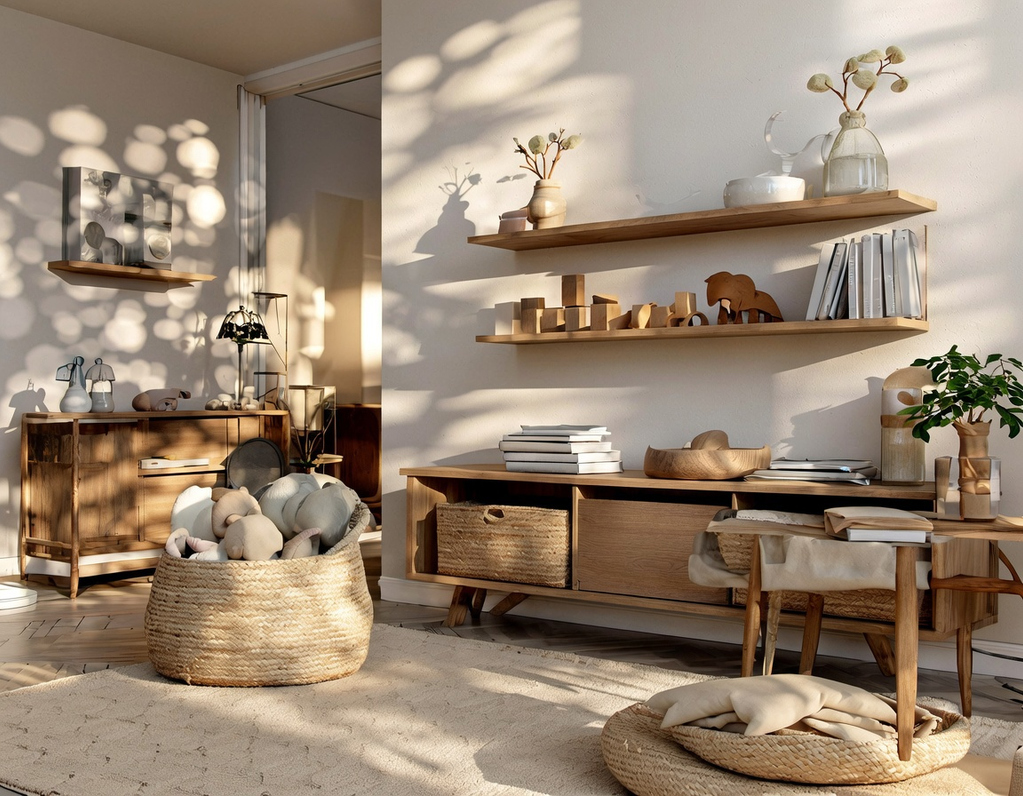
Soft storage—like nursery baskets and fabric bins—adds warmth to the room while keeping clutter contained. They’re also forgiving: you can drop items in without “doing it properly”, which is exactly what makes them easy to maintain.
Consider using baskets for categories that are used often but don’t need perfect folding:
- Daily changing basket — nappies, wipes, nappy cream, spare outfit, muslins.
- Bath time — baby wash, towel, flannel, clean nappy, cotton wool.
- Out-and-about — spare changing mat, travel wipes, nappy bags, spare vest.
Labels can be as minimal as you like. A small, neat label on the front of a bin (“Muslins”, “Next size”, “First aid”) makes it easy for you to restock and easy for others to help without asking. If you’re labelling toddler toy bins later, keep labels simple and clear—for example: “Blocks”, “Vehicles”, “Pretend”, “Teddies”.
Style tip — Choose one material “family” (woven baskets, soft fabric cubes, or clear lidded boxes) for a calmer look. Repetition feels restful.
Organise nappies, wipes and changing supplies for quick access
The changing area is where nursery storage matters most. You’ll use it multiple times a day, often with one hand. Aim for a set-up that works whether you’re using a changing table, a dresser top, or a portable mat on the floor.
A practical “grab-and-go” approach:
- On the surface: wipes + nappies in a small basket or open bin, plus barrier cream (only what you use daily).
- In the top drawer / shelf: spare wipes, nappy sacks, cotton wool, thermometer, nail file, spare cover, spare muslin.
- Nearby (but not in the way): a lidded bin for laundry or a hanging bag for “needs washing”.
Example: a medium nursery basket can hold a day’s worth of nappies and a wipes packet, plus a small pouch for creams. When the basket is empty, you refill it—one simple action that keeps your baby essentials organisation steady without constant micro-tidying.
Create storage systems you can actually maintain
The best nursery storage solutions are the ones that survive real life. A few principles help:
- Keep it shallow. Lots of small categories are easier than one deep, mixed box. If everything piles up, the system will be abandoned.
- Keep it visible. If you forget you own it, you’ll buy duplicates. Open bins or clear labels help you see what’s there.
- Keep it repeatable. A refill routine (once a week, or every other day) is calmer than constant re-organising.
- Keep it flexible. Babies change quickly. Your storage should adjust without needing a complete overhaul.
If you like a more styled look, you can still keep things simple: let the “pretty” part be the materials (soft fabric bins, neutral labels, a matching set of drawer organisers), not a complicated system you have to maintain when you’re exhausted.
Toy storage ideas for babies and young toddlers
In the early months, toys are usually minimal. Later, they can expand fast—especially once family and friends discover how fun it is to buy small, noisy objects. The calm approach isn’t “no toys”; it’s clear boundaries and a home for each type.
Try this gentle, low-clutter toy system:
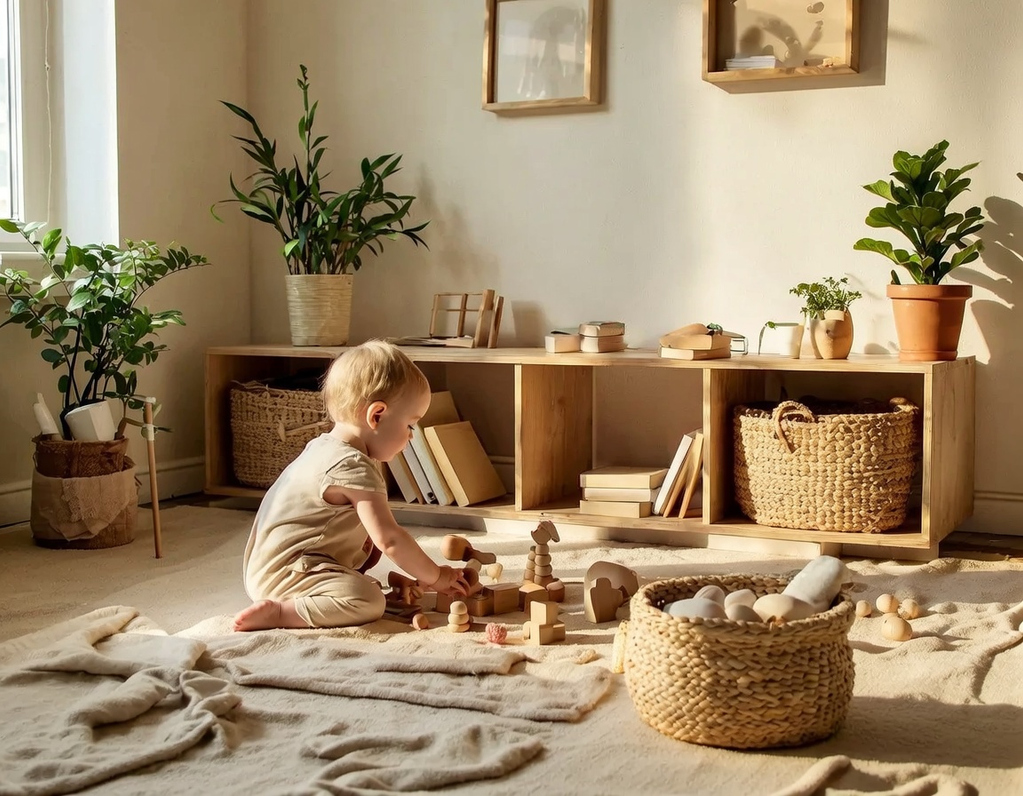
- One open basket for the current favourites (soft book, rattle, teether, comforter). Keep it on the floor so you can drop items in quickly.
- One lidded bin for “not right now” toys. Swap items every week or two—rotation keeps the room calmer and often makes toys feel new again.
- One small shelf or cube for stacking cups, blocks, and larger items that are easy to put away.
As your child grows, labelled bins become a practical part of baby organisation. For example, you might label toddler toy bins with both words and a simple icon (a tiny car for “Vehicles”), so it’s easy for little hands to learn where things belong. This supports independence without turning tidying into a battle.
Organising books for little hands
Books deserve an easy, inviting home—because you’ll reach for them at bedtime, during wind-down time, and on those long afternoons when you need a quiet reset.
Simple options that support nursery organisation:
- Front-facing book ledge for a small rotation of favourites—covers facing out makes choosing easier.
- Low basket of board books where your baby can grab and explore. Choose sturdy books and let the basket do the work of keeping the pile contained.
- Comfort corner — keep a comforter, a soft blanket and two or three bedtime books within easy reach of the chair or cot (stored in a small basket).
This is one of those baby storage ideas that improves the feel of the room immediately: less visual scatter, more gentle intention.
Keep the nursery safe while staying clutter free
Safety and calm often go together. When surfaces are clear and storage is defined, there are fewer “where did that go?” moments and fewer small hazards drifting into reach as your baby becomes mobile.
Key safety-minded baby room organisation habits:
- Anchor furniture (dressers, bookcases) if there’s any risk of climbing later.
- Store small items up high (nail scissors, medicines, tiny toy parts) in a lidded, labelled container.
- Keep cords and chargers out of sight—use a high shelf or a closed drawer, not a basket on the floor.
- Leave breathing room around the cot and changing area so you’re not manoeuvring around piles when you’re tired.
You don’t have to remove every sign of life. The goal is a space where the essential items are accessible, and everything else has a safe, sensible home.
Storage solutions for small nurseries and shared bedrooms
When space is limited, you can still have an organised, soothing set-up. The trick is to make each storage choice work hard, and to keep categories tight.
Practical nursery storage solutions for small rooms:
- Use vertical space — one wall shelf for backstock (wipes, spare nappies, next-size clothes). Keep it simple and not overfilled.
- Choose a dresser with real drawer capacity — nursery drawers can replace bulky wardrobes for the first couple of years if organised well.
- Under-cot storage — a single low-profile lidded box for out-of-season clothing or spare bedding keeps visual clutter down.
- Shared bedroom zones — dedicate one drawer set or one side of a wardrobe to baby items, and keep the changing supplies in a portable caddy so you can move it as needed.
If you’re working with a very small footprint, even a compact system—one chest of baby drawers, one changing basket, one toy basket, one book basket—can cover most needs while keeping the room airy.
Refresh and reorganise as your baby grows
The most sustainable approach to nursery organisation is to expect change. Growth spurts, new seasons, starting solids, crawling, walking—each phase brings new “most used” items.
A gentle routine that helps:
- Monthly mini reset (10 minutes): check sizes, move too-small clothes into a “store” bin, refill changing supplies, and remove anything you’re no longer using daily.
- Seasonal reset (30 minutes): swap out-of-season layers, review bedding, rotate toys, and refresh labels if categories have shifted.
When you treat organisation as a light rhythm rather than a big project, it stays calm—and your nursery storage keeps supporting you instead of demanding attention.
A simple nursery organisation checklist
Use this checklist as a calm starting point for baby organisation. Choose one small section at a time—there’s no need to do everything in one go.
- Create two main zones: changing and dressing (even if they’re in the same corner).
- Set up baby essentials organisation at the changing area: nappies, wipes, cream, nappy bags, spare outfit, muslins.
- Organise clothes in nursery drawers by size, then by type (sleepsuits, vests, socks).
- Add drawer dividers or organisers to prevent “mixed piles” in baby drawers.
- Choose 2–4 nursery baskets or fabric bins for flexible categories (laundry, bath, out-and-about, muslins).
- Label one container for next size clothing and one for out of season items.
- Set up a simple toy system: one open basket for favourites, one lidded bin for rotation.
- Make books accessible: a low basket or ledge for board books, plus a small “bedtime” basket near your chair.
- Review safety: store small/medical items up high in a lidded, labelled container; keep cords out of reach; anchor furniture if needed.
- Schedule a 10-minute monthly reset to keep your nursery storage working as your baby grows.
Conclusion: calm, functional, and yours
The most effective baby storage ideas are the ones that make your everyday easier: clear nursery storage, simple nursery baskets, purposeful nursery drawers, and a place for the items you reach for most. Not more stuff—just a calmer flow.
If you’re not sure where to start, choose one small change: divide a drawer, set up a changing basket, or label a single bin. Try it for a week, notice what helps, then adjust. Small, steady shifts are how an organised nursery becomes a peaceful family space—one gentle routine at a time.